
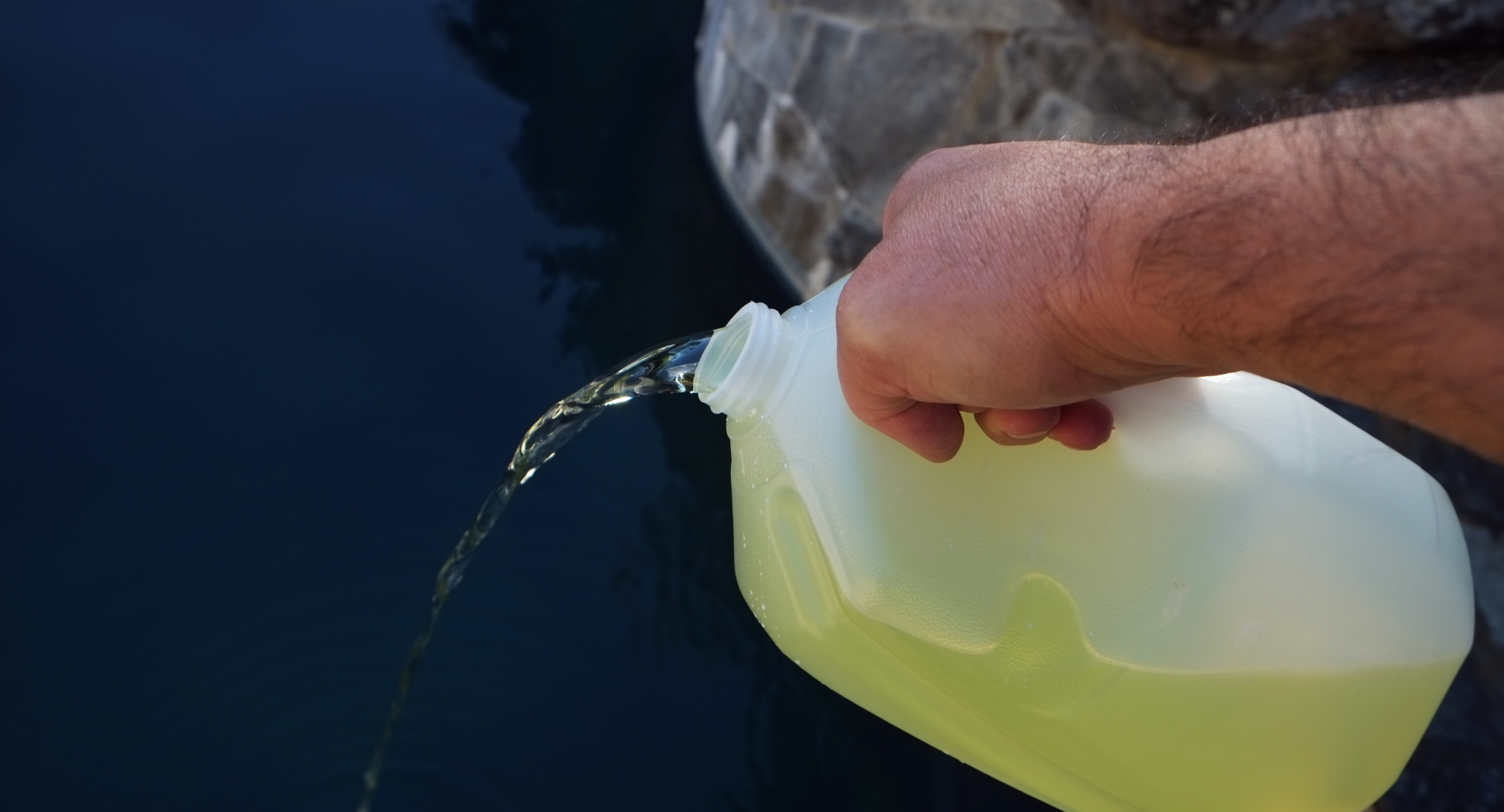
Clearing bacteria from a well after shock chlorination typically takes several days, but the timeline depends on how much water you run through the system after treatment. The more water you use, the faster the chlorine flushes through and the sooner a retest can confirm the system is clean.
A homeowner in the Stafford area recently called us after getting back-to-back positive bacteria results on their well water test. They had already installed a UV light system but had not flushed the lines thoroughly enough after installation, so the second test still came back positive. They needed answers fast, with a home closing on the horizon.
It is a stressful situation, and it is more common than most people realize. At Workhouse Plumbing and Gas, we walk homeowners through this process regularly. Here is what you need to know.
What Happens During a Well Shock Treatment?
Shock chlorination introduces a concentrated chlorine solution directly into your well to kill bacteria throughout the water system. The chlorine needs time to make contact with every part of the system, including the well casing, pump, pressure tank, and all the pipes running through your home.
After the chlorine is introduced, you run water through every fixture in the house until you can smell chlorine at each tap. Then you let it sit so it can do its job. After that dwell period, you flush the system by running water consistently until the chlorine smell is gone.
How Much Water Do You Need to Run After Treatment?
The more water you move through the system after the dwell period, the faster the process goes. Households with higher daily water usage will clear the system more quickly than a vacant home or one with very low usage.
Running laundry, showers, dishwashers, and faucets all help push water through and flush out residual chlorine and dead bacteria. This is not a step to rush, but consistent use genuinely speeds things up.
When Can You Retest the Water After Shock Treatment?
Retesting too soon is one of the most common mistakes homeowners make after shock chlorination. If chlorine is still present in the water when the sample is collected, it can actually suppress the bacteria reading and give you a false negative, or the lab may reject the sample entirely.
You need to wait until the chlorine has fully flushed from the system before pulling a water sample. The timing varies based on your well depth, pipe volume, and how much water you have used since treatment. Our technicians will walk you through exactly when it makes sense to schedule a retest based on your specific setup.
If you are dealing with a real estate transaction, coordinate early with your agent and the testing lab so everyone understands the process. It takes what it takes, and rushing a retest before the system is ready usually just adds another round to the process.
What If You Keep Testing Positive After Shock Treatment?
Repeat positive results after shock chlorination can point to an ongoing contamination source rather than a one-time issue. Common causes include:
- A cracked or damaged well casing allowing surface water intrusion
- A compromised well cap that is not sealed properly
- A UV system that was not flushed correctly after installation
- Biofilm buildup deep in the distribution lines
If bacteria keeps coming back, the fix is rarely just another shock treatment. It usually means a closer look at the well structure and your water treatment system as a whole. Our team can assess what is actually driving the problem so you are not stuck in a cycle of retesting.
Does a UV light system prevent bacteria in well water?
A UV light system is effective at neutralizing bacteria as water passes through it, but it does not sanitize the well itself or the pipes in your home. If bacteria is present in the system before the UV light, or if the lines were not properly flushed after installation, you can still test positive. Shock chlorination addresses the broader system in a way a UV light alone cannot.
Is shock chlorination safe for your plumbing?
Yes, when done correctly, shock chlorination is safe for standard residential plumbing. The concentrations used are not harmful to pipes or fixtures. A trained technician will make sure the process is handled properly from start to finish.
Do you need a licensed plumber to shock a well?
While some homeowners attempt this as a DIY project, hiring a licensed plumber ensures the treatment is done at the right concentration, the system is flushed correctly, and you have a professional to call if the results come back positive again. For real estate transactions especially, having a professional on record matters.
You can learn more about our team and our experience serving well water customers across Northern Virginia and the Fredericksburg area.
Ready to Schedule a Well Shock Treatment Near Fredericksburg, VA?
If your well has tested positive for bacteria and you need help fast, we are here. We serve homeowners throughout the Fredericksburg, VA region, including Stafford, Spotsylvania, and the surrounding communities. Contact us today to get a technician out to your property and walk you through the process from treatment to retest.