
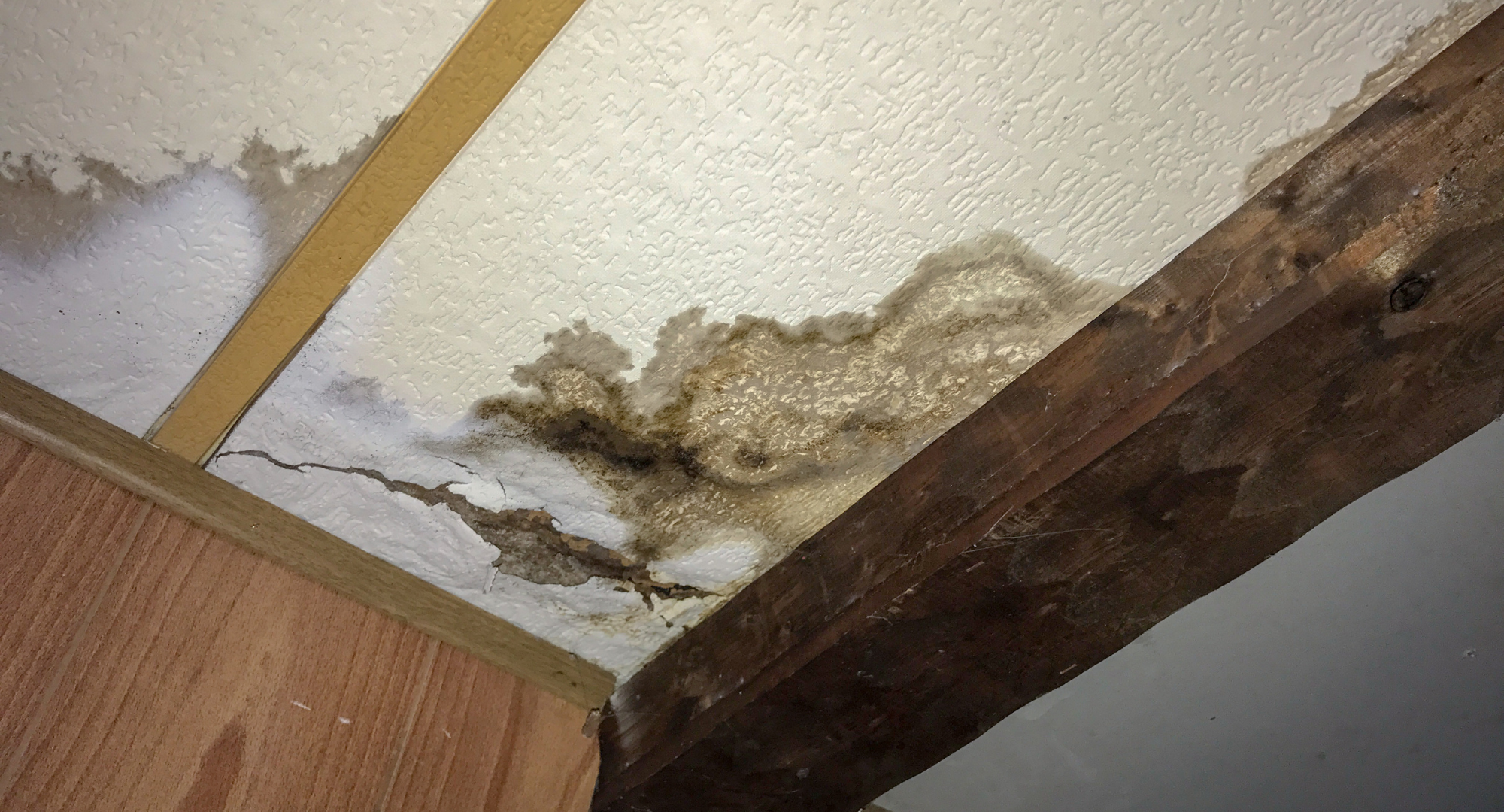
Old water stains in a basement ceiling often point to a past plumbing leak that was not fully repaired or traced to its source. Even when the dripping has stopped, moisture can travel through framing and drywall and show up far from the original leak. A plumber can assess the affected area, identify the source, and determine whether hidden damage remains.
A homeowner in Fredericksburg, VA recently called us after noticing discoloration and dampness on their basement ceiling and wall, well away from where a previous plumbing issue had occurred. No water was actively dripping, but the staining was new and the flooring crew working nearby flagged it as a concern. Their insurance carrier directed them to get a plumber involved before any repairs could move forward.
At Workhouse Plumbing & Gas, we see this kind of situation more often than you might expect. A past leak gets addressed, but the water has already traveled. Weeks or months later, the evidence shows up somewhere unexpected. Here is what you need to know.
Why Would a Leak Show Up in a Different Spot Than Where It Started?
Water follows the path of least resistance, which means it rarely stays where the original problem was. It can travel along joists, drip onto subfloor material, and wick into drywall several feet away before it finally makes itself visible. This is especially common with toilet or supply line leaks directly above a finished basement ceiling.
By the time you see staining, the water has usually been sitting in the structure for a while. That is what makes these situations tricky. The leak may be fixed, but the moisture damage continues spreading quietly.
What Are the Signs That a Plumbing Source Is Involved?
If the staining is below a bathroom, toilet, supply line, or water-using appliance, plumbing should be your first suspect. Here are the signs that point in that direction:
- Yellow or brown ring-shaped stains on ceiling drywall
- Soft, bubbling, or sagging ceiling material
- Dampness or discoloration on the wall directly below the stained area
- A musty smell that was not there before
- The stain growing in size over time even without visible dripping
If none of the above apply and the staining is near an exterior wall or under a roof penetration, a roofing or waterproofing issue may be the cause instead. But when it lines up with plumbing above, a licensed plumber should take a look before anyone else does repair work.
What Does a Plumber Actually Do During This Kind of Inspection?
A plumber will trace the stain back to any fixtures or lines running overhead and check them for signs of past or ongoing leakage. This might involve running water through toilets and supply lines while watching for movement or moisture. They may also check shutoff valves, wax seals, and supply connections that are common failure points.
The goal is to either confirm the leak source has been resolved or find evidence that something is still actively failing. That assessment is often exactly what an insurance company needs before approving a claim. Learn more about our team and the experience we bring to these inspections on our about us page.
Should I Try to Repair the Ceiling Before Getting a Plumber Out?
No. Repairing the ceiling before confirming the plumbing source is resolved is one of the most common and costly mistakes homeowners make. If any moisture is still present, or if the original issue was not fully fixed, you will be right back in the same spot after spending money on drywall and paint.
Get the plumbing cleared first. Then hand it off to the restoration crew. That sequence protects your investment and keeps your insurance claim on solid ground. If a toilet was involved in the original issue, our bath and kitchen plumbing services cover exactly that kind of repair and follow-up assessment.
Frequently Asked Questions
Is it safe to stay in my home if I see basement ceiling stains but no active leak?
In most cases, yes, but you should not ignore it. Staining without active dripping usually means the leak has slowed or stopped, but hidden moisture can still lead to mold growth or structural softening over time. Get a professional assessment sooner rather than later.
Will my homeowner’s insurance cover water damage from a plumbing leak?
Coverage depends on your specific policy and the cause of the damage. Many insurers require documentation from a licensed plumber confirming the source before they process a claim. Having a plumber inspect and provide their findings is usually a required step in that process.
What if the original plumber already fixed the leak, but I am still seeing new staining?
New staining after a repair can mean the fix was incomplete, a different issue has developed nearby, or moisture that was trapped during the first event is still working its way out. Either way, a follow-up inspection is the right call. Do not assume the prior repair covered everything.
Notice Staining in Your Basement Ceiling? Let Us Take a Look.
If you are a homeowner in Fredericksburg, VA dealing with unexplained water stains, lingering dampness, or the aftermath of a past plumbing leak, do not wait for the problem to grow. Contact us at Workhouse Plumbing & Gas to schedule an inspection with our team. We will help you understand exactly what you are looking at and what needs to happen next.