A licensed plumber or gas fitter should run the natural gas line for your generator. Electricians typically handle the electrical hookup and transfer switch, but in Virginia they usually are not licensed to install or connect gas piping. Splitting the work between the two trades is standard.
A homeowner in Fredericksburg, VA recently called us with exactly this problem. Their generator install was already on the calendar, the utility had upgraded the gas meter, and the electricians told them the gas portion was not something they could legally do. The homeowner needed a plumbing and gas company to step in, and fast.
That situation is more common than you would think, especially as fall turns into storm and outage season. At Workhouse Plumbing & Gas, we run gas lines for generators regularly, so here is how the process works.
Why Can’t My Electrician Connect the Gas Line to My Generator?
Gas piping is a separate licensed trade from electrical work. An electrician’s license covers wiring, panels, and transfer switches. It does not cover running, sizing, or testing gas lines.
Gas work carries real safety risk. A bad fitting or undersized line can leak, starve your generator of fuel, or create a fire and carbon monoxide hazard. That is why the work needs to be done and inspected by someone trained specifically in gas.
Most generator installs involve two crews: the electrician for power and the transfer switch, and a licensed gas professional for the fuel line. Coordinating them early keeps your install date on track.
What Does a Gas Plumber Do During a Generator Install in Fredericksburg, VA?
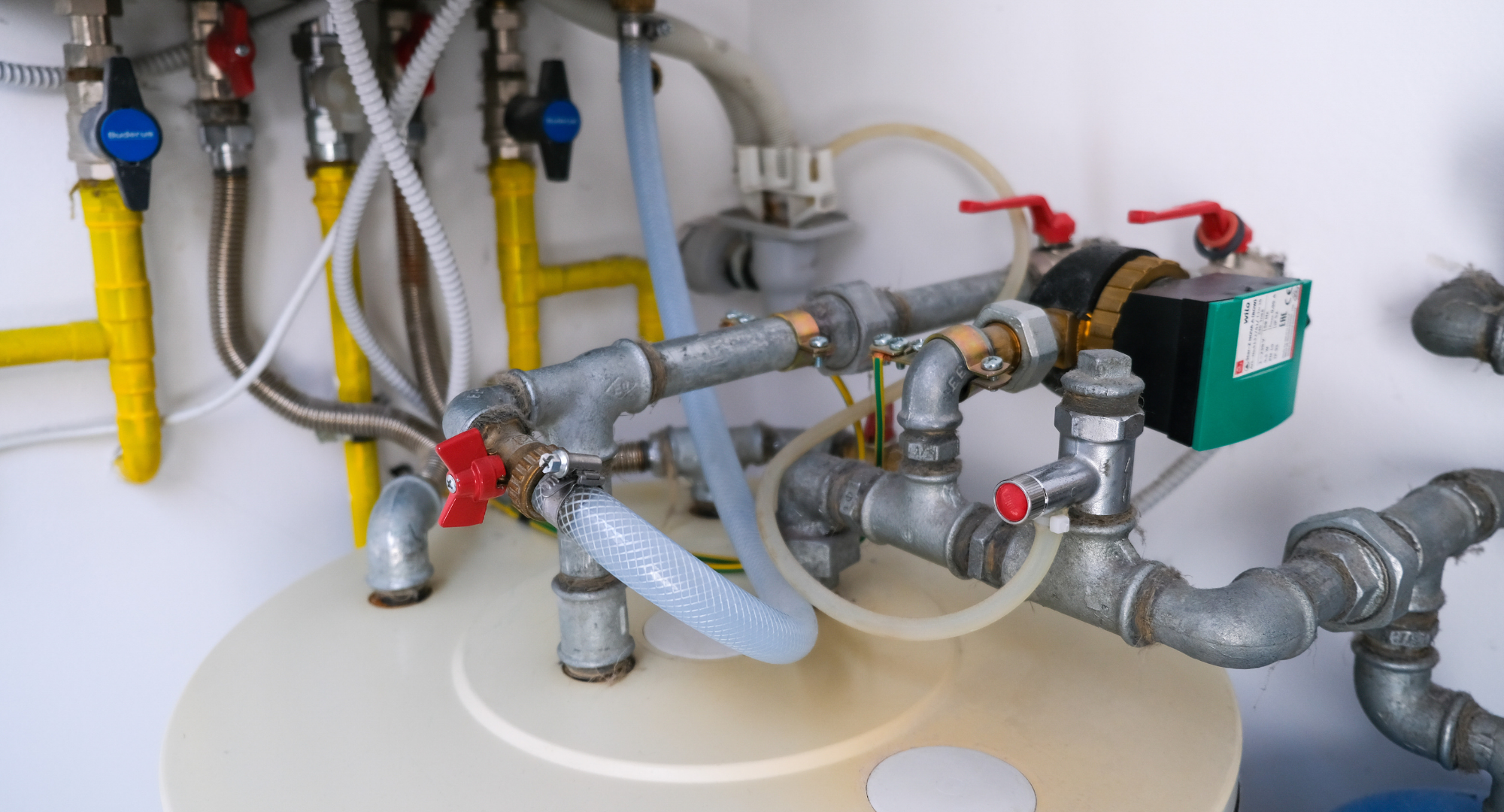
We run the gas line from your meter to the generator, size it correctly, connect it, and pressure test it for leaks. Here is what that typically looks like:
- Review the generator’s fuel requirements and your meter’s capacity.
- Plan the pipe route from the meter to the generator pad.
- Install the gas line with proper materials, fittings, and shutoff valves.
- Pressure test the line and check every connection for leaks.
- Coordinate with the permit and inspection process so everything is up to code.
Even a short run, like 15 feet, needs the right pipe size. Generators draw a lot of gas, and a line that is too small can cause the unit to underperform exactly when you need it most. You can see the full range of what we handle on our gas line services page.
Does My Gas Meter Need to Be Upgraded for a Generator?
Often, yes. A standby generator can use far more gas than a typical furnace or water heater, and many older meters and regulators were not built for that added load.
Your gas utility handles the meter upgrade itself. Once that is done, we handle everything on your side of the meter. Having the meter ready before we arrive makes the line sizing and installation much more straightforward.
How Should I Schedule the Gas Line Around My Generator Install?
Call a gas plumber as soon as you have your generator install date. The gas line usually needs to be in place and tested before the generator can be fully commissioned, so the earlier we are on the schedule, the fewer delays you will see.
Here is a simple way to plan:
- Confirm your generator model and fuel requirements with your installer.
- Make sure your gas meter upgrade is complete or scheduled.
- Ask for an on-site assessment so we can measure the run and give you an accurate quote.
- Share your electrician’s timeline so our work lines up with theirs.
The cost depends on the distance, pipe size, and site conditions, so an in-person look is the best way to get a real number. Our team has years of experience on jobs like this, and you can meet our team to learn more about who will be at your home.
Frequently Asked Questions
Can a plumber and an electrician work together on a generator install?
Yes, and that is how most installs go. The electrician handles the wiring and transfer switch while we handle the gas line. We are happy to coordinate with your electrical contractor so both trades finish on schedule.
Do I need a permit to run a gas line for a generator?
In most cases, yes. Gas line work generally requires a permit and inspection to make sure it meets code. We can walk you through the process when we assess your property.
Is a natural gas generator better than propane?
Natural gas means no tank refills and a continuous fuel supply, as long as your gas service stays on. Propane is an option where natural gas is not available. If you already have natural gas at your home, it is usually the simpler choice.
Ready to Get Your Generator Gas Line Done Right in Fredericksburg, VA?
If you have a generator going in this season, do not let the gas line become the bottleneck. Visit Workhouse Plumbing & Gas to learn more about what we do, then contact us to set up a free on-site assessment for your Fredericksburg, VA home. We will look at the job, answer your questions, and give you a clear quote.